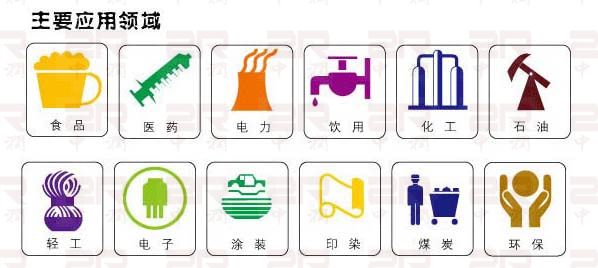
Activated carbon material is an important amorphous carbon material, which is a black porous solid with a well-developed pore structure and a huge specific surface area, generally up to 1000-3000 m2/g. It has strong adsorption capacity for inorganic or organic substances and colloidal particles in gases, solutions, etc. As a high-performance adsorbent, activated carbon material has a unique pore structure and surface active functional groups, stable chemical properties, high mechanical strength, acid resistance, alkali resistance, heat resistance, insoluble in water and organic solvents, and can be regenerated and recycled. It is widely used in various fields such as environmental protection, chemical industry, food processing, wet metallurgy, drug refining, military chemical protection, etc. Since the 1970s, environmental protection has gradually become the main consumer market for activated carbon in developed countries around the world. The United States uses 66.22% of its total activated carbon for environmental protection, while Japan uses 75.41%. Activated carbon has been widely used in environmental protection in China, but due to various factors such as economic costs, there is still a significant gap compared to developed countries. At present, the ecological environment is deteriorating day by day, and people's demand for protecting the earth, green technology, and green products is increasing. The application of carbon materials represented by activated carbon in the field of environmental protection will further develop, mainly manifested in various aspects such as sewage treatment and air pollution prevention and control.
|










 Coal Columnar Activated Carbon